Old Cavendish Laboratory
🗿 Statue & memorial🏰 History💎 Hidden gem📍 Landmark 👪 Child friendly · All ages🐕 Dogs outside only♿ Wheelchair accessible🆓 Free entry
The birthplace of modern nuclear physics, where the electron was discovered and the atomic nucleus first split.
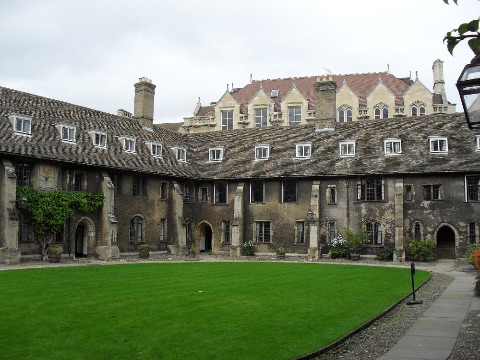
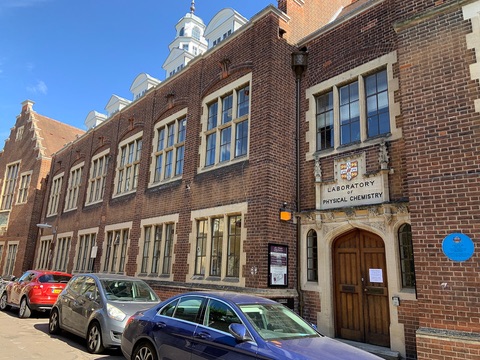
Standing along narrow Free School Lane in the heart of Cambridge, the Old Cavendish Laboratory is one of the most historically significant science sites in the world. Established in 1874 on what is now the University of Cambridge's New Museums Site, this Victorian Gothic building served for a century as the university's department of physics. Today, it remains an evocative pilgrimage stop for anyone interested in the foundational discoveries of twentieth-century science.
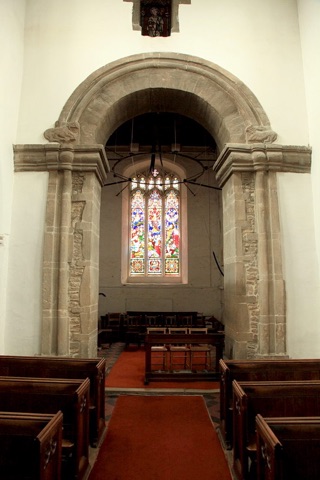
The laboratory was funded by William Cavendish, 7th Duke of Devonshire and Chancellor of the University, who appointed the pioneering electromagnetic theorist James Clerk Maxwell as the first Cavendish Professor of Experimental Physics. Designed by Cambridge architect William Milner Fawcett, the original three-storey building incorporated an early seventeenth-century stone Renaissance doorway salvaged from the Perse School. In 1897, Cavendish director J. J. Thomson identified the electron within these walls. Under the later leadership of Ernest Rutherford, the building witnessed James Chadwick discover the neutron in 1932, the same year John Cockcroft and Ernest Walton successfully split the atomic nucleus. In 1953, Francis Crick and James Watson deciphered the double-helix structure of DNA while working here.
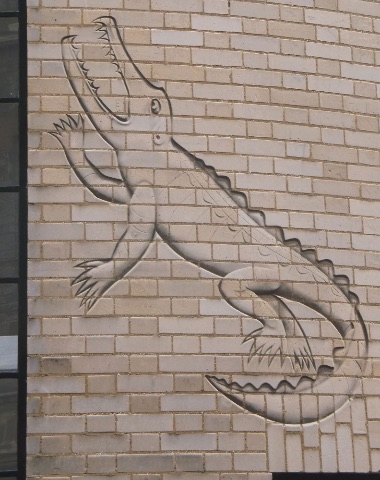
The exterior street frontage is Grade II listed and retains its distinctive late Victorian stone facade, mullioned windows, and heavy timber entrance gates carved with the Cavendish family motto, Cavendo Tutus ('safe through caution'). Prominent commemorative plaques mounted along Free School Lane spell out the groundbreaking physics experiments that took place inside, giving passers-by a clear view of the exact doorways and wings associated with these historic breakthroughs.
Although the physics department relocated to West Cambridge in 1974 and the interior is used for university administrative and academic offices rather than public exhibits, the exterior architecture and plaques can be viewed freely from the street at any hour. A quick stop takes under an hour and combines easily with a walk down Bene't Street to The Eagle, the historic pub where Crick and Watson famously announced they had found the secret of life.
Sources & further reading
Links to other websites (the place's own site, CAMRA, Tripadvisor, map directions and sources) open in a new tab. We don't run those sites and aren't responsible for their content, so please check opening times, prices and access with the place before you travel. More about links